
Ensuring Security in Casigo URL Sessions
La Revolución de la Ruleta con Multiplicadores Aumenta tus Ganancias
Ağustos 2, 2026Discover the Wonders of Gates of Olympus Super Scatter
Ağustos 2, 2026In today’s digital age, ensuring the security of online sessions is critical to protecting user data and maintaining trust. For platforms like Casigo URL Session Security https://casigo-online.co.nz/, session security plays a vital role in safeguarding users’ information from potential threats and unauthorized access. This article delves into the intricacies of URL session security, its importance, and best practices that can be employed to enhance security measures.

Understanding URL Session Security
URL session security pertains to the methods and practices used to protect session data transmitted over the internet. When a user interacts with a web application, particularly in contexts like online gaming, gambling, or e-commerce, a session is established to maintain state and track user activity. This session typically involves a unique identifier, typically in the form of a session token, which is stored generally in cookies or URL parameters. If these identifiers fall into the wrong hands, the integrity of the session can be compromised, leading to unauthorized access and data breaches.
The Importance of URL Session Security
1. **User Trust**: Users expect their personal and financial information to be safe. A robust session security strategy reassures users that their data is well-protected.
2. **Compliance**: Regulatory frameworks like GDPR and CCPA necessitate strong data protection measures. Enhancing URL session security is crucial for compliance with these laws.
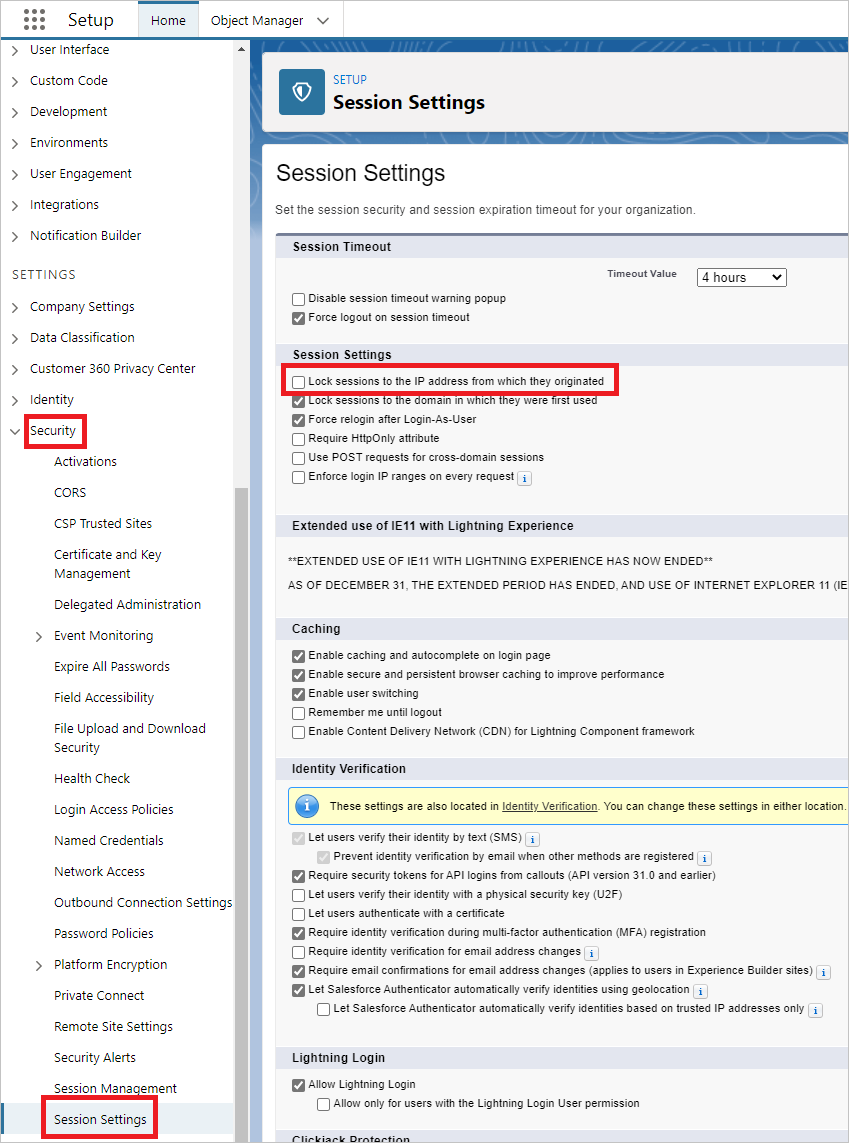
3. **Preventing Unauthorized Access**: Effective session security helps limit the risks of session hijacking, where an attacker steals a user’s session token and impersonates them.
Common Threats to URL Session Security
Several threats can compromise URL session security:
- Session Hijacking: Attackers can steal session tokens and gain unauthorized access to user accounts.
- Cross-Site Scripting (XSS): Vulnerabilities in web applications can allow attackers to execute scripts in the user’s browser, which can steal session tokens.
- Cross-Site Request Forgery (CSRF): Attackers can trick users into executing unwanted actions on a web application in which they are authenticated.
Best Practices for Enhancing URL Session Security
To safeguard sessions effectively, consider implementing the following best practices:
1. Use HTTPS
Always serve your web application over HTTPS. This encrypts the data transmitted between the client and server, making it significantly harder for attackers to intercept session tokens and other sensitive information.
2. Secure Cookie Flags
Mark session cookies with HttpOnly and Secure

de> flags. The HttpOnly flag prevents JavaScript from accessing the cookie, mitigating XSS attacks. The Secure flag ensures that cookies are only transmitted over secure channels.
3. Token Expiration
Implement token expiration strategies, requiring users to re-authenticate after a certain period of inactivity. This limits the window of opportunity for attackers.
4. Implement CSRF Tokens
Utilize CSRF tokens in forms and state-changing requests to ensure that actions are legitimately initiated by the user. This can prevent unauthorized commands initiated by an attacker.
5. Regularly Monitor Sessions
Implement session activity monitoring tools to detect suspicious behavior, such as sudden changes in IP addresses, and respond promptly to potential threats.
6. Educate Users
Educate users about common security threats, such as phishing, and encourage them to use strong, unique passwords and take advantage of two-factor authentication (2FA) where applicable.
The Role of Advanced Security Technologies
Advanced security technologies are also critical in enhancing URL session security. Using tools such as Web Application Firewalls (WAF) can help detect and automatically mitigate threats. Furthermore, employing Intrusion Detection/Prevention Systems (IDS/IPS) can enhance the monitoring capabilities for suspicious activities and intrusions.
Conclusion
In summary, URL session security is a cornerstone of data protection in web applications, particularly in increasingly popular platforms like Casigo. By understanding the common threats and implementing industry best practices, organizations can significantly enhance their security posture, protect user trust, and ensure compliance with necessary regulations. It is not just about safeguarding information; it is about creating an online environment where users feel safe to engage and interact without fearing for their privacy.
Investing in session security is not merely a technical necessity; it demonstrates a commitment to user care and responsibility in an era where digital threats are ever-evolving. By prioritizing URL session security, Casigo and similar platforms can lead the way in fostering a secure and trustworthy internet experience.
